

The influence of gambling on societal structures and individual lives
Understanding Gambling’s Role in Society
Gambling has long been a part of human culture, affecting various aspects of social interaction. From ancient rituals to modern casinos, gambling reflects societal values, economic conditions, and cultural practices. As an activity, it fosters community engagement, but it also has the potential to disrupt social harmony when not managed responsibly. Additionally, for those seeking entertainment options, exploring non gamstop casinos uk can be a part of the conversation about responsible gaming practices.
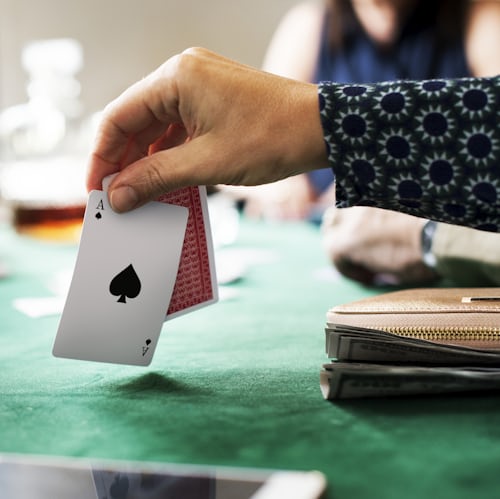
The normalization of gambling in many societies has led to a significant influence on public policy and economic strategies. Governments often regulate gambling to generate revenue, which can fund public services, while also imposing restrictions to mitigate negative impacts. This duality showcases the complexity of gambling’s role within societal structures.
The Psychological Impact of Gambling
For individuals, gambling can have profound psychological effects, ranging from exhilaration to despair. Many people experience thrill and excitement, which can lead to repeated participation in gambling activities. However, for others, this pursuit can spiral into addiction, creating emotional and mental health challenges.
This psychological dimension not only affects the gamblers themselves but also extends to family members and friends. The emotional toll of gambling can lead to strained relationships, financial difficulties, and even mental health disorders, illustrating the far-reaching consequences on individual lives.
Economic Implications of Gambling
The economic influence of gambling on society is significant. It generates employment opportunities, stimulates local economies, and boosts tourism. Areas that host casinos and gaming establishments often see increased business activity, leading to improved infrastructure and community development.
However, these economic benefits are accompanied by costs. The rise in gambling can lead to increased crime rates and social issues, necessitating a balanced approach to harnessing the positive aspects while addressing the negative consequences. Understanding these economic dynamics is essential for effective policy-making.
Social Issues Arising from Gambling
Gambling can exacerbate existing social issues, particularly in vulnerable populations. The accessibility of gambling can lead to financial distress, especially for those already facing economic hardship. This situation often results in cycles of debt, which can further entrench poverty and social inequality.
Moreover, the stigma associated with problem gambling can deter individuals from seeking help, perpetuating a cycle of isolation and distress. Addressing these social issues requires comprehensive public awareness campaigns and support systems that encourage responsible gambling practices.

Connecting with Personalized Experiences
At ClintonCards.co.uk, we understand the importance of meaningful connections, whether through personal gestures or shared experiences. Just as gambling influences individual and societal dynamics, so do personalized gifts and greetings play a vital role in fostering relationships. Our platform allows you to create custom cards that resonate with your personal sentiments, emphasizing the human aspect of social interactions.
As we explore the multifaceted impacts of gambling, let us also celebrate the ways in which we can connect with others through thoughtful expressions. Creating personalized cards for every occasion not only enhances communication but also strengthens bonds, highlighting the importance of interpersonal connections in an evolving social landscape.